







Search Results for: ristretto espresso
The Difference Between Espresso and Ristretto Explained: What Ristretto Means and Choosing the Base for a Flat White
On the menus of many coffee chains, besides the usual espresso, there is often an option called "Ristretto." The name sounds new, but it is actually what the coffee world commonly calls Ristretto. Ristretto comes from Italian, meaning "restricted." It is also a type of espresso, but because the extraction method is different, its flavor expression and concentration differ from regular espresso. This article will explain, from Front Street's perspective, exactly what Ristretto is, how to correctly make a cup of Ristretto, and its relationship with Flat White, helping coffee lovers avoid unnecessary detours in their daily brewing. [more…]

What Is Ristretto? Extraction Principles, Brewing Methods, and How It Differs from Espresso
Espresso, as the base for drinks like Americano and latte, is already familiar to everyone, but Ristretto still seems unfamiliar to many. Ristretto means "restricted" in Italian, and it extracts only the essence from the first and middle stages of espresso, resulting in higher concentration, more concentrated flavor, and actually lower caffeine content. This article will explore Ristretto's Chinese translation, its differences from Espresso, suitable coffee bean choices, two mainstream preparation methods, and its flavor characteristics and uses, helping coffee enthusiasts gain a comprehensive understanding of this rich and refined coffee. [more…]

A Complete Guide to Ristretto: Meaning, Extraction Principles, and Comparison of Two Brewing Methods
Among the many espresso drinks, the Flat White has won over a large following with its rich, sweet, and creamy taste, and its soul base is precisely the Ristretto—a niche coffee often translated as "extra-concentrated" or "ristretto shot." It shares the same origin as regular Espresso, yet due to the "restrictions" of its extraction method, it presents a completely different flavor profile. Opinions on how to make a Ristretto vary widely online, leaving many beginners confused. This article, from the perspective of Front Street Coffee, will systematically sort out the definition of Ristretto, its unique place in the espresso family, the choice of coffee beans suitable for making it, and the two currently mainstream extraction approaches, to help you truly understand the logic behind this shot of espresso and find the method that best suits you or your café. [more…]
What Is Ristretto Espresso? Extraction Methods for Ristretto and Recommended Coffee Beans
Ristretto (Italian-style extra-concentrated coffee) is still relatively unfamiliar to many people. It is closely related to the everyday Espresso, yet it presents a more concentrated and more intense flavor profile. This article will introduce you to the meaning and characteristics of Ristretto, explain how it differs from regular espresso in terms of extraction, and present two mainstream methods for making Italian-style extra-concentrated coffee. At the same time, the article will also share ideas for choosing coffee beans suitable for making Ristretto, including two recommended products, Front Street Classic Blend and Front Street Dark Cocoa Blend, to help you better master the essence of this rich small cup of coffee. [more…]
Which Italian espresso beans make Ristretto truly shine? Plus espresso extraction parameters and key operating points
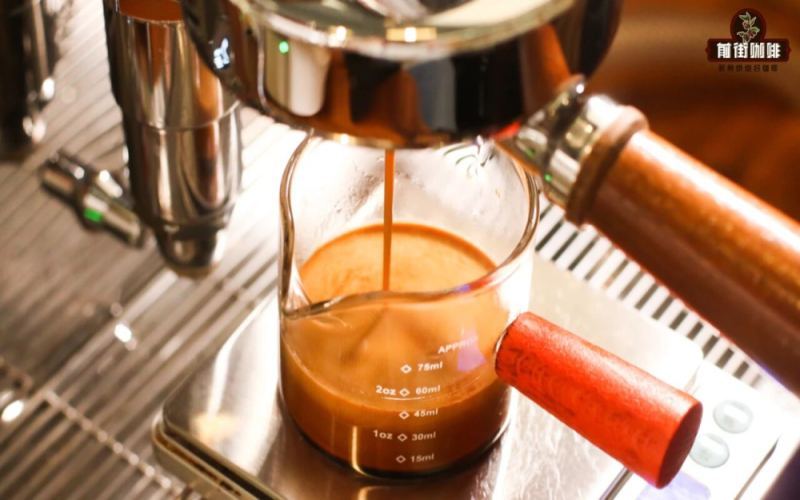
Ristretto is often translated as "Italian extra-strength" or "Italian ristretto." It is the "restricted version" of Espresso, taking only the essence of the early extraction stage of concentrated coffee. The flavor is more concentrated, the bitterness is lower, and the body is fuller, so it is also often used by coffee shops as the base for a Flat White. To make a delicious Ristretto, bean selection and parameters are both indispensable: the beans must be fresh, and a medium-dark roasted Italian blend is best, so it can bring sufficient crema and caramelized aroma. This article will systematically sort out the approach to making Ristretto, from bean selection and the characteristics of Front Street Coffee's two Italian blends to the brew ratio, time, and flavor comparison, helping coffee lovers steadily reproduce a rich and clean Italian extra-strength at home. [more…]
The Soulful Base of Australian White Coffee: Ristretto Espresso Extraction Principles and Italian Bean Selection
The reason why the Flat White stands out among the many milk coffees lies in its unique base—Ristretto. What exactly is the difference between this extraction method, known as "extra-concentrated espresso" or "refined espresso," and regular Espresso? The preparation methods circulating online are all over the place, and beginners often find it hard to grasp the core essentials. This article, from the perspective of Front Street Coffee, will systematically sort out the definition of Ristretto, its essential connection to Espresso, and the operating logic, pros, and cons of the two mainstream extraction paths. At the same time, for readers who want to make Italian-style extra-concentrated espresso at home, it will also share the flavor characteristics and suitable scenarios of Front Street's specialty blend and classic blend, helping you understand this niche yet fascinating espresso comprehensively, from beans to extraction. [more…]

A Detailed Guide to Espresso Extraction Time and Yield: Flavor Differences and Brewing Parameters for Espresso and Ristretto
Many friends who are just getting into espresso have this question: isn't ristretto just espresso? In fact, although the two share the same origin, they differ noticeably in extraction logic and flavor expression. This article will start by tracing the origins and evolution of espresso, then introduce the concept of ristretto, and through a practical extraction demonstration, compare the taste differences between the two under identical equipment conditions caused by different yield and time. At the same time, the article will provide specific parameters suitable for making classic milk coffee and flat white, and recommend several Front Street espresso blends to help you make the right choice based on your flavor preferences. [more…]

The Exclusive Espresso Base for Flat White: Definition, Extraction Principles, and a Detailed Guide to Two Brewing Methods
The reason why a flat white differs from a latte and a cappuccino lies not only in its delicate, thin microfoam, but more crucially in its base—Ristretto. However, opinions on the web about how to make a Ristretto vary widely, leaving many newcomers baffled. This article, from the perspective of Front Street, systematically sorts out what exactly a Ristretto is, its relationship with Espresso, and the two mainstream approaches to making it: one is to directly limit the yield and extract only the front and middle segments; the other is to adjust the grind finer and control the flow rate to build up concentration. The article will also analyze the pros and cons of each method, and why most coffee shops ultimately choose the former. [more…]

What is the core difference between a flat white and a latte? A detailed explanation of the key techniques for making Ristretto short-pull espresso.
Although flat white and latte both belong to the category of milk coffee, the approach to making the base espresso is completely different. Flat white uses a Ristretto short extraction, that is, a concentrated version with high concentration and low extraction yield. Many enthusiasts mistakenly believe that simply pulling a little less liquid from a regular espresso is enough, but in practice this often leads to under-extraction and a lack of sweetness. Starting from Front Street's hands-on experience, this article analyzes the correct extraction logic of Ristretto, focusing on how to balance concentration and extraction yield by adjusting the grind size, and includes the specific parameters and flavor performance of Front Street's classic espresso blend to help you make a cup of flat white that is rich but not bitter. [more…]
Ristretto Espresso Extraction Techniques and a Guide to Choosing Commercial Blend Beans for Cafés
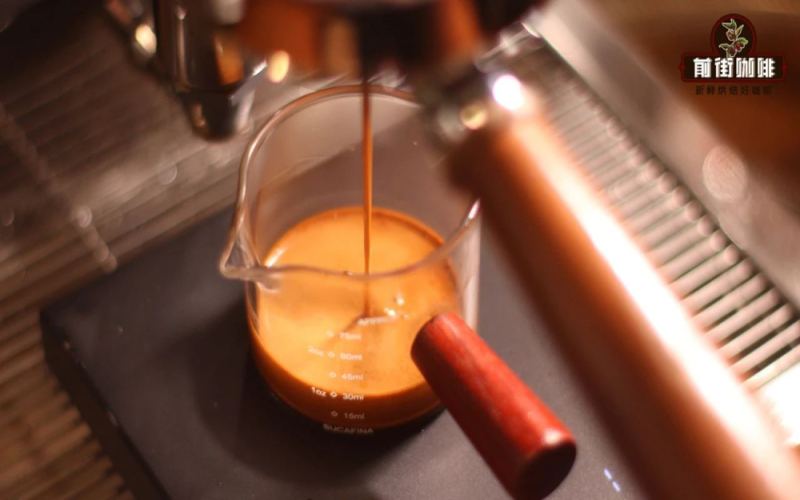
In a previous article, when we discussed flat white coffee, we mentioned that its base uses Ristretto, which is more concentrated than Espresso. This time, let's focus specifically on the Ristretto extraction method. It is often called extra-concentrated coffee or ristretto, and like Espresso, it comes from an Italian coffee machine, but the extraction process is restricted, resulting in a very different flavor profile. This article will introduce the definition of Ristretto, its differences from Espresso, suitable medium-to-dark roast blend beans, and recommendations for two classic Italian-style beans from Front Street Coffee. It will also share specific extraction parameters, such as using 20 grams of grounds and extracting only 28 grams of coffee liquid within 20 to 25 seconds, to help you make rich and full-bodied ristretto at home or in a shop. [more…]

What is a flat white? An analysis of the flavor characteristics of a flat white, ristretto extraction, and espresso-making methods
Flat white coffee has frequently appeared on the menus of various cafés in recent years, becoming a favorite among many coffee enthusiasts. It originated in Melbourne, Australia, in the 1980s, then spread in popularity across Australia and New Zealand, sparking a local milk coffee trend. The biggest difference between a flat white and a latte or cappuccino lies in the thickness of the milk foam and the intensity of the coffee. This article will start with the origin of the flat white and the story behind its name, then provide a detailed analysis of the differences between ristretto and regular espresso, and use Front Street Coffee's classic Italian blend coffee beans to actually make a cup of flat white, sharing parameters, flavor performance, and coffee bean selection advice, to help everyone fully understand the unique charm of this Australian-style white coffee. [more…]

Analysis of Starbucks Flat White Espresso Shots vs. Aussie White Differences, Plus Ristretto Extraction and Calories
Since its launch in 2012, Starbucks Flat White has captured the taste buds of many coffee lovers. It combines the smoothness of a latte with the intensity of a cappuccino, making it an ideal choice in the hearts of milk coffee fans. But do you know how many shots of espresso are actually in a Starbucks Flat White? Is it the same drink as the commonly called Australian White? This article will guide you through the origin of the name Flat White, its cultural roots in New Zealand and Australia, Starbucks' espresso ratio, the extraction principle of Ristretto, and Front Street Coffee's Australian White production method and calorie reference. Whether you want to understand the tricks of ordering or want to recreate it at home, this content can give you clear answers. [more…]

What coffee is Starbucks Flat White? The difference between Australian White and Latte and an analysis of ristretto
Flat White, this Italian-style milk coffee originating from the Southern Hemisphere, is now ubiquitous on cafe menus around the world, with Chinese translations including 澳白, 馥芮白, and 小白咖啡. Many people think it is just a scaled-down latte, but in fact the two have obvious differences in espresso type, milk ratio, and milk foam thickness. Flat White uses Ristretto, with a smaller coffee-to-water ratio and higher concentration, and the milk pouring method is also more particular. This article will start with the extraction differences between Espresso and Ristretto, analyze the essential differences between Flat White and Latte, and share Front Street Coffee's specific parameters for making Flat White and its blend bean selection, to help you fully understand the uniqueness of this coffee. [more…]
What is the difference between espresso and ristretto? A comprehensive analysis from extraction principles to flavor segmentation
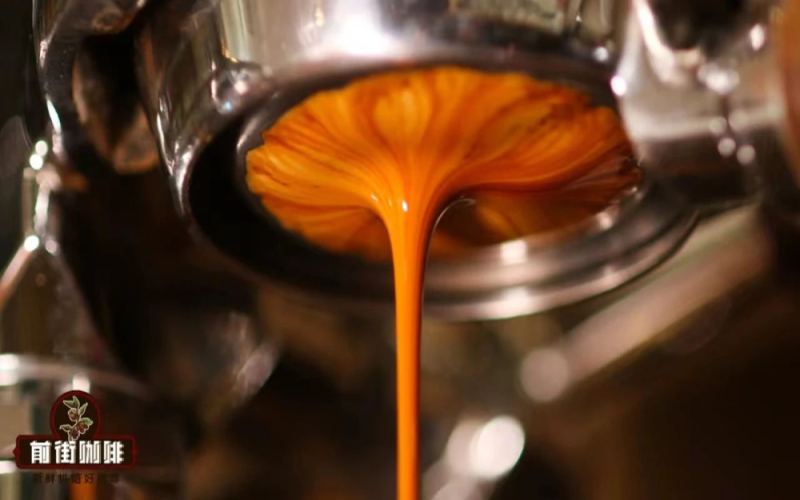
On an espresso menu, espresso is an irreplaceable foundation; whether it's a latte or an Americano, everything is built upon it. Yet many people still hold the impression that it is simply "strong and bitter." What exactly is espresso? How does Ristretto differ from it? From the perspective of Front Street Coffee, this article first explains the definition and characteristics of espresso, then gradually breaks down the six key steps in the preparation process, and finally reveals the flavor differences between the beginning, middle, and end segments of espresso through a segmented extraction experiment, thereby explaining why Ristretto is less bitter and more concentrated, as well as the logic behind its application in milk coffee. [more…]

What's the difference between Fu Rui Bai, Chun Yi Bai, and Ao Rui Bai? A full breakdown of ordering and taste for the three Flat Whites
Flat White, Café au Lait Art, and Aussie White—these three names sound distinctive, but in fact they all refer to the same coffee: Flat White. It sits between a latte and a cappuccino, known for a higher proportion of espresso and finer, lighter milk foam. This article will break down this milk coffee from the Southern Hemisphere one by one, starting from the controversy over its origin, differences in recipes, milk foam thickness, and the actual offerings of the three major domestic chain brands. Whether you want to understand the difference between Ristretto and Espresso, or want to know how to order a better-tasting cup at Starbucks, COSTA, and Luckin, Front Street Coffee sorts it all out for you. [more…]

Flat White Flavor Analysis: A Complete Guide to Italian Milk Coffee, from Ristretto to Australian White and Australian Coffee
Flat White, Australian White, and Australian White—these names sound similar, yet they leave many coffee enthusiasts confused. Are they actually the same coffee? And what are the essential differences between them and a latte or cappuccino? In this article, Front Street Coffee (FrontStreet Coffee) will start from the production principles of Ristretto and systematically sort out the flavor characteristics of Flat White, its milk foam handling method, and its origin story in Australia. At the same time, we will also share how, in actual store operations, you can make an Australian White with a prominent coffee flavor and a smooth mouthfeel by adjusting extraction parameters and milk pouring techniques. Whether you want to understand its taste or want to clarify the distinctions among several types of espresso milk coffee, this article will give you clear answers. [more…]
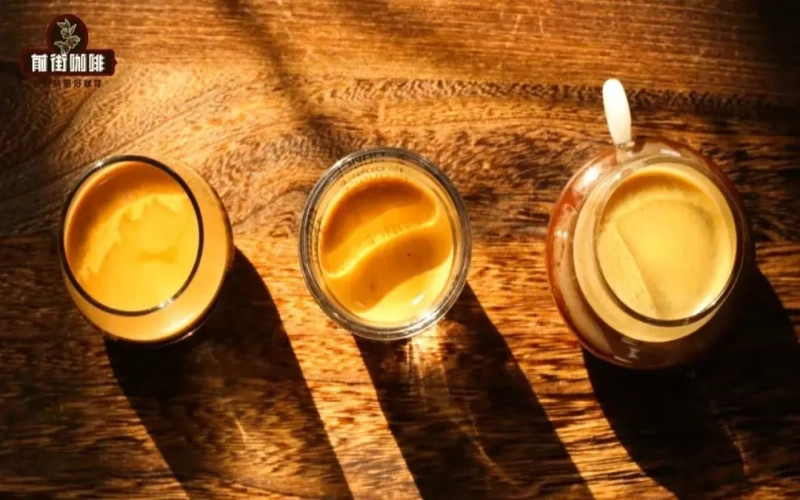
What exactly is the difference between ristretto, espresso, and lungo? The three espresso extraction types and why cafés rarely offer certain options
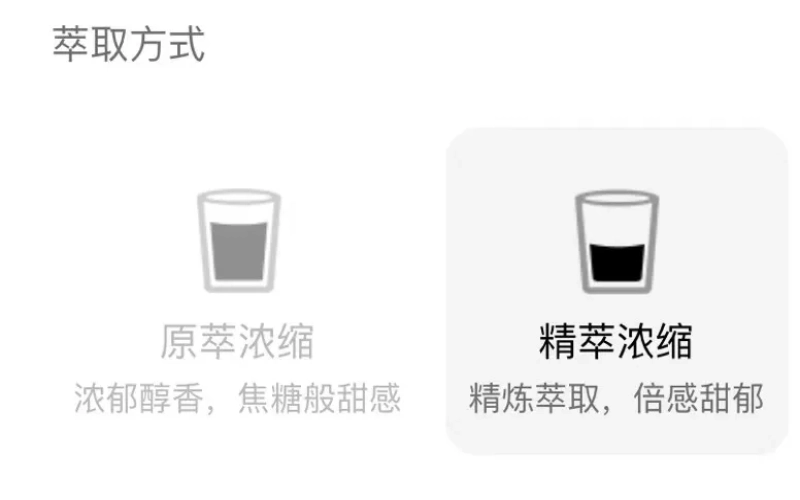
Many coffee enthusiasts have heard of the three terms "original extraction," "fine extraction," and "full extraction," but are not quite clear on what exactly distinguishes them, nor why these options are almost never seen in specialty coffee shops. In fact, they correspond respectively to Normale, Ristretto, and Lungo in espresso—that is, regular espresso, short-extraction espresso, and long-extraction espresso. The core differences among the three center on concentration and flavor expression: different brew ratios lead to changes in the extracted coffee's concentration and extraction yield. This article uses Front Street Espresso Blend · Strawberry Candy Espresso as an example to break down the extraction parameters and flavor characteristics of the three espressos one by one, and explains why specialty coffee shops rarely offer multiple espresso type choices—this involves both the practical difficulty of grind size adjustment and the compatibility of different espressos in milk coffee. [more…]

Types of Espresso | What's the Difference Between Ristretto and Regular Espresso? Which Espresso Is Best for a Flat White?
For more specialty coffee knowledge, please follow the WeChat public account: FrontStreet Coffee. Coffee is now gradually becoming more widespread, and more and more consumers are beginning to learn about coffee. On the one hand, industry giants still maintain their leading position, while on the other hand, independent niche coffee shops are also [more…]

Espresso, Ristretto, and Milk Foam Thickness: A Complete Analysis of the Flavor Differences Between Cappuccino and Flat White
Both are espresso with milk, so why does a cappuccino taste more bitter than a flat white? The cup sizes are similar, yet the flavors are completely different. The key lies in two places: the choice of coffee base and the thickness of the milk foam. Starting from the principles of extraction, this article compares the differences between espresso and ristretto in the release of acidity, sweetness, and bitterness, and then, through actual weighing and measurement, calculates the effect of milk foam on the milk ratio. It fully explains the essential differences among a cappuccino, a flat white, and a latte, while also clarifying the relationship between a flat white and a ristretto. [more…]
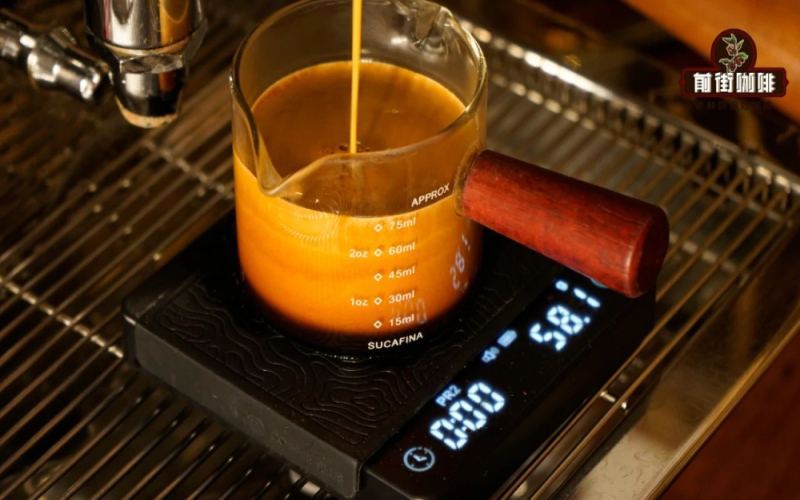
A Complete Guide to Italian Lungo Coffee: Extraction Logic and Historical Evolution from Espresso to Ristretto
In the Italian coffee system, Lungo is a unique presence—it belongs, along with Espresso and Ristretto, to the category of drinks extracted directly on an espresso machine, yet it stands apart with a markedly different flavor due to its larger extraction volume. This article will analyze the definition of Lungo from the perspective of extraction yield and concentration, compare its differences from Ristretto and Espresso in terms of brew ratio and flavor, and trace back to the social context of 1950s Italy to explain why this "more coffee for the same price" cup came into being. Front Street Coffee will also share the true taste performance of Lungo through actual extraction tests, and explore the possibilities of the espresso machine beyond espresso. [more…]